The new building is a maze of nine interlocking pavilions with more than 70 galleries — spectacular, but easy to lose your bearings in without a docent.
Princeton's collection spans everything from Roman Antioch mosaics to Basquiat, but wall text is built for art history students, not a quick campus visit, so context can be thin if you're just passing through.
What to see
This is a teaching collection first — built for close looking, not blockbuster crowds. Four places worth slowing down for:
The Ancient Mediterranean Galleries
Greek vases, Roman marbles, and floor mosaics lifted from Princeton's own excavations at Antioch-on-the-Orontes — ancient art field-tested by the university's own archaeologists.
The Photography Collection
Over 27,000 works, from the earliest daguerreotypes to Alfred Stieglitz's The Steerage — one of the strongest and least-visited photography holdings at any American university.
Asian Art
Chinese calligraphy, painting, bronzes, and jade shaped one of the first Asian art curricula at a U.S. university — look for the scrolls and ceramics that anchor decades of scholarship.
The Outdoor Putnam Sculptures
Wander the surrounding campus and you'll pass major works by Calder, Picasso, Henry Moore, and Louise Nevelson — an open-air extension of the museum that most visitors never realize is part of it.
Masterpiece stories
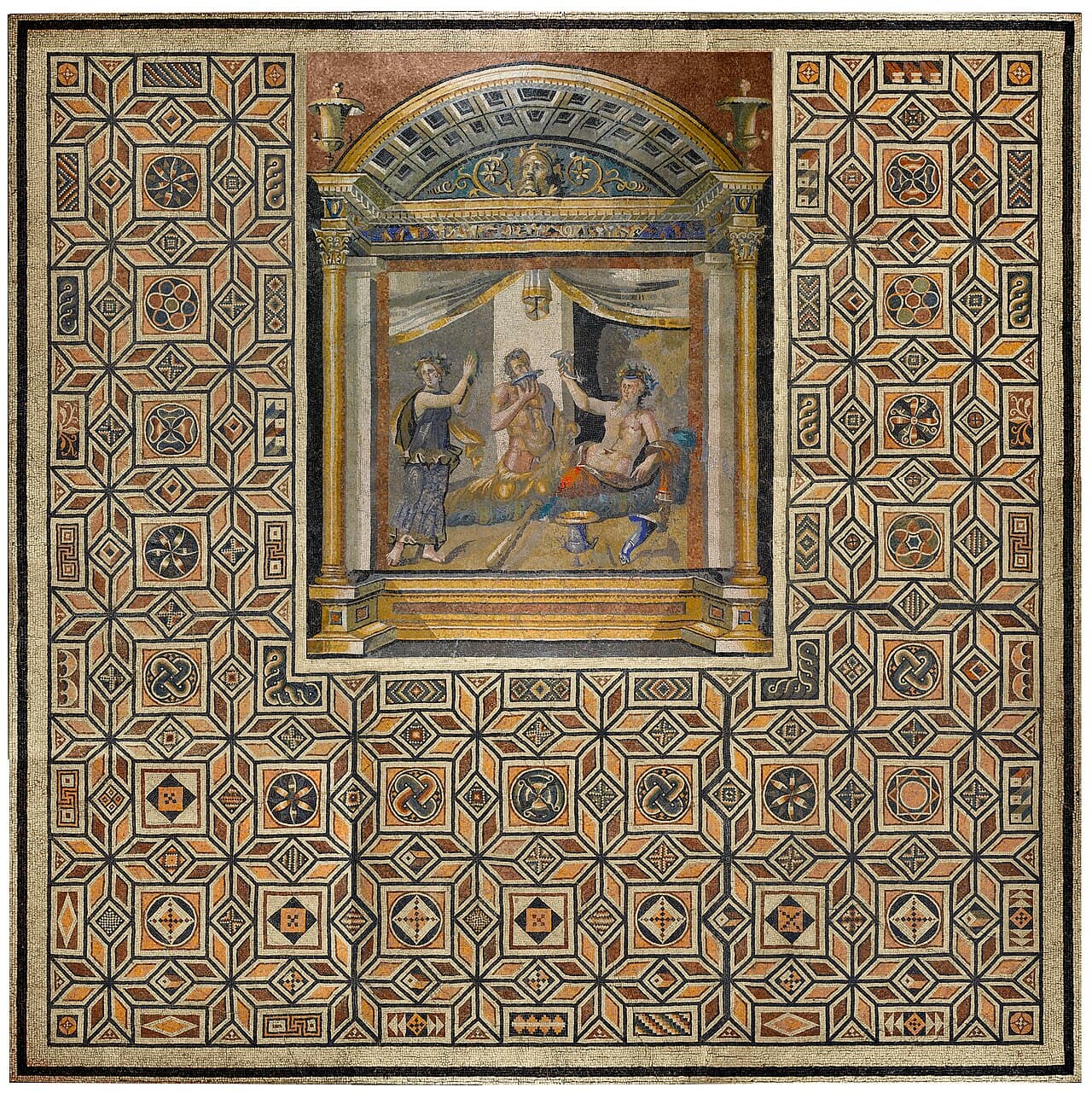
Roman, Antioch · early 3rd century A.D.
Mosaic Pavement: Drinking Contest of Herakles and Dionysos
A drinking game between a god and a demigod, laid in stone floor tiles 1,800 years ago.
Lifted from the ancient city of Antioch-on-the-Orontes during Princeton-led excavations in the 1930s, this floor mosaic is one of the clearest survivors of Roman domestic decoration from the ancient Near East — and a direct link between the museum's teaching mission and its own archaeological digs.
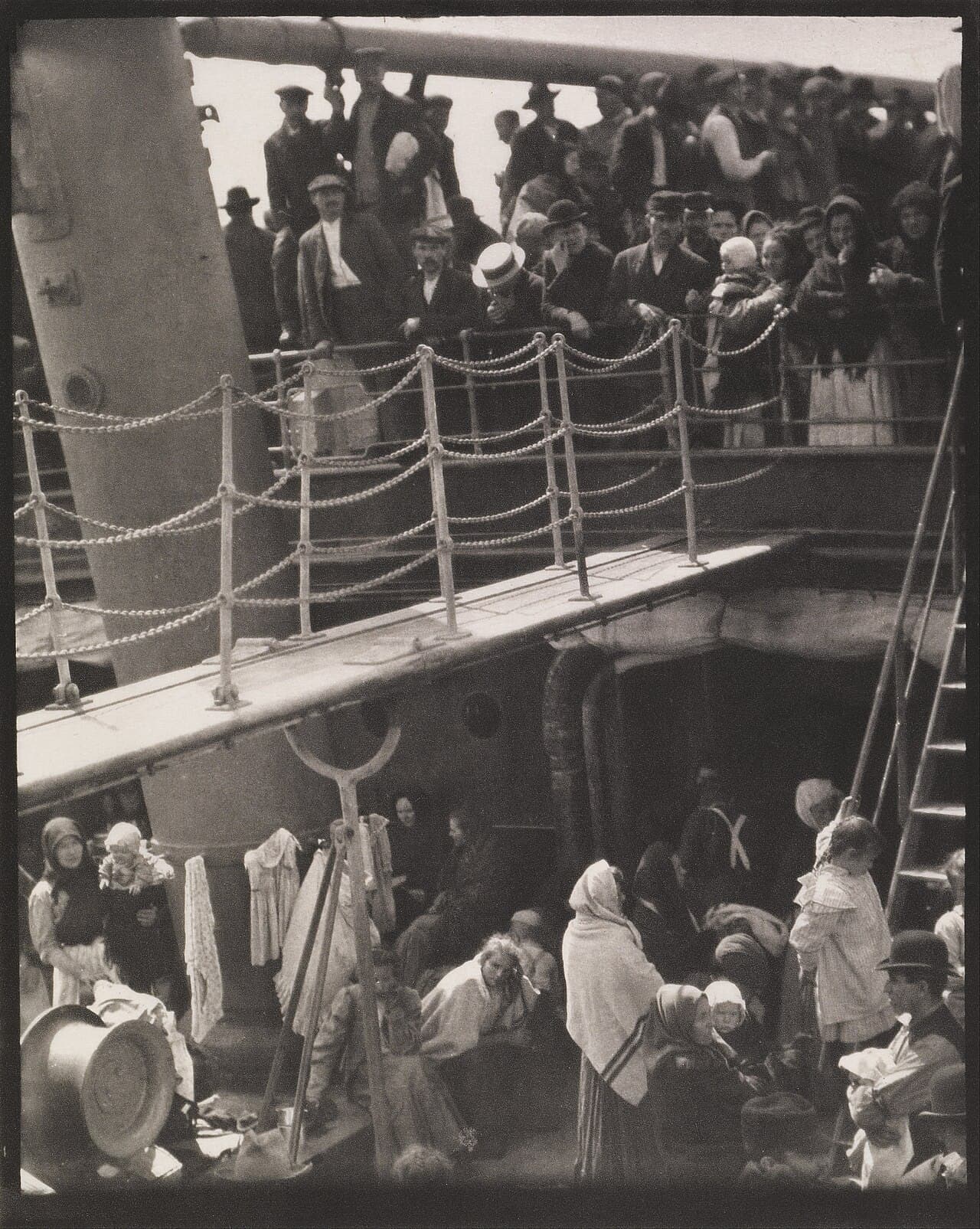
Alfred Stieglitz · 1907
The Steerage
The photograph that helped convince the art world a camera could make art, not just record it.
One of the first photographs the museum ever acquired, gifted by former director Frank Jewett Mather Jr. in 1949 — the seed of a photography collection that would grow to more than 27,000 works.
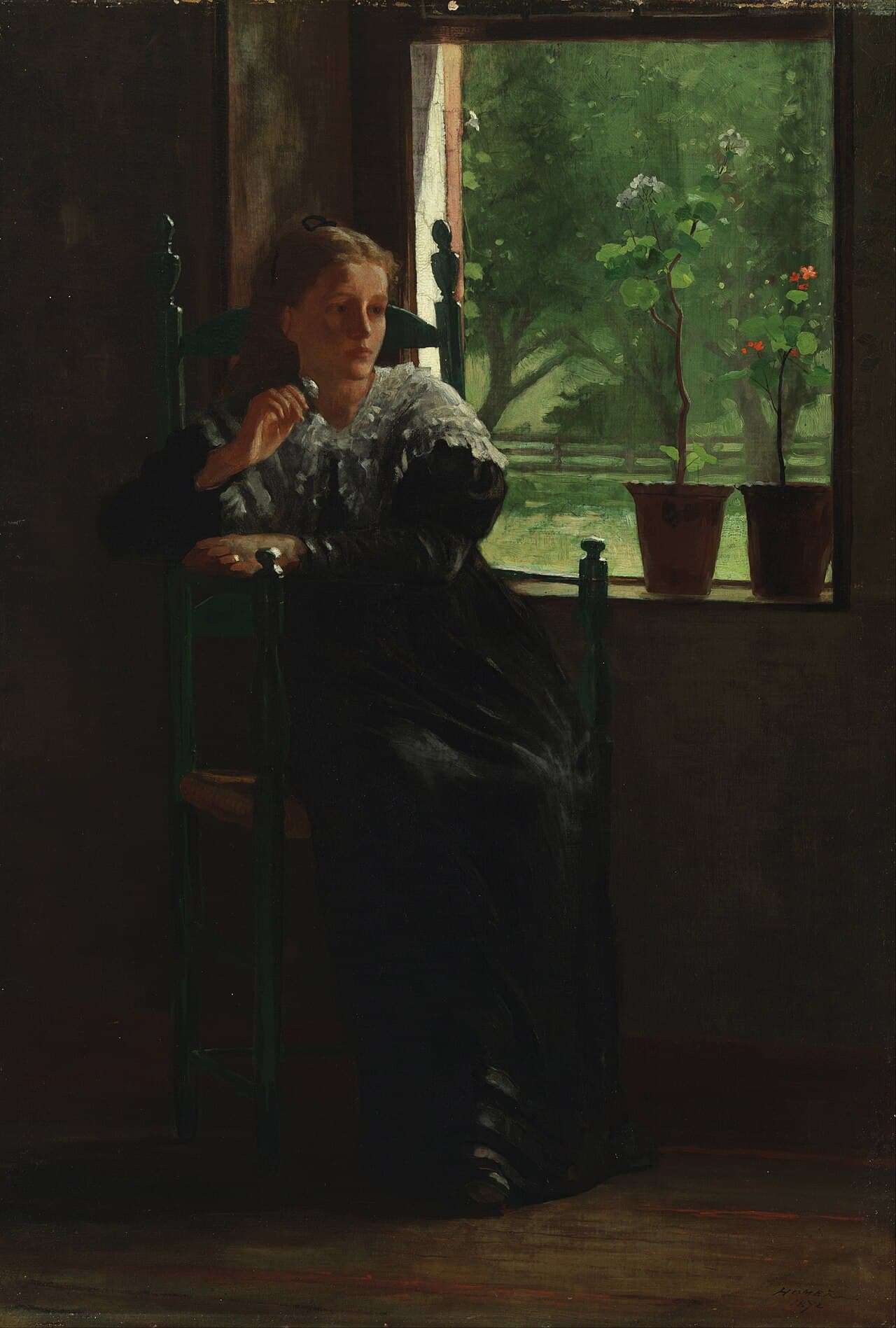
Winslow Homer · 1872
At the Window
A quiet, unglamorous moment from an artist better known for stormy seas.
Painted early in Homer's career, before the dramatic marine scenes that made his name, this domestic interior reflects the museum's deep holdings in 19th-century American painting.
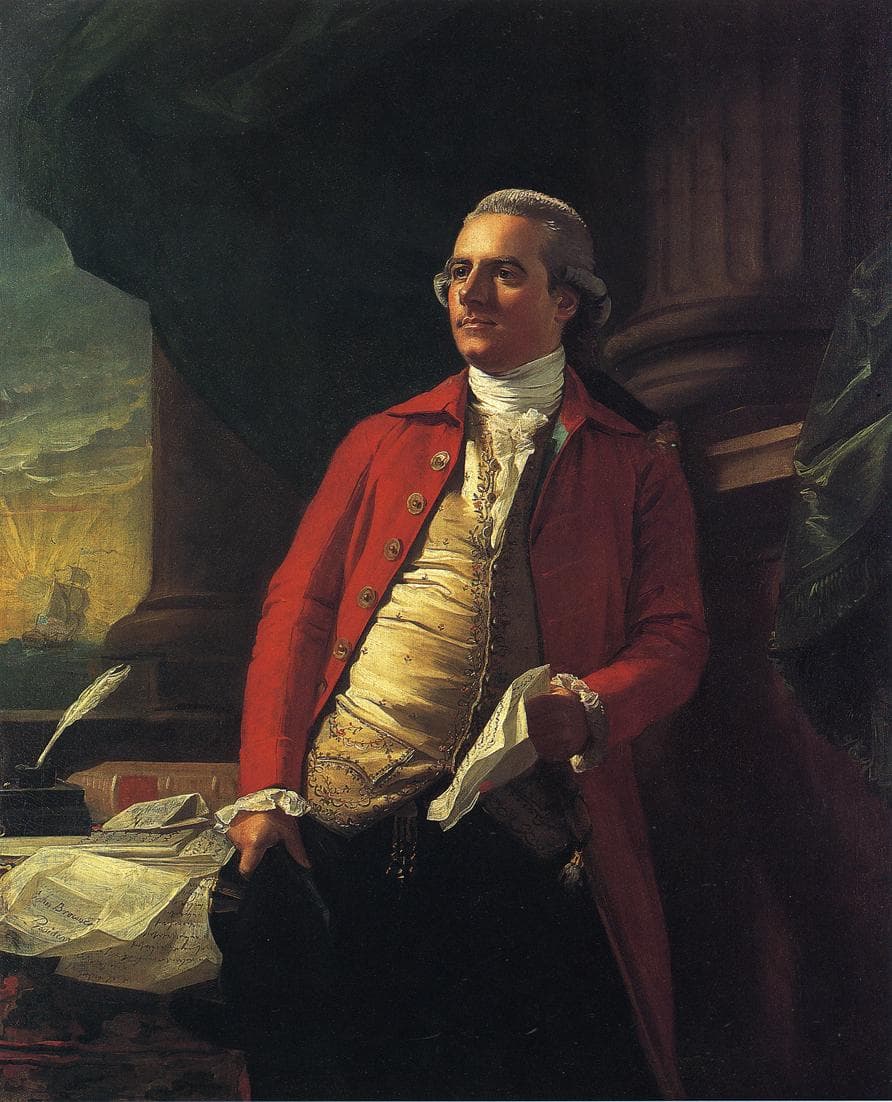
John Singleton Copley · 1782
Elkanah Watson
A merchant's portrait with a ship in the background carrying news of American independence.
Painted in London at the close of the Revolutionary War, this Copley portrait ties the museum's American collection back to the same decade Princeton's own campus served as a Revolutionary War battleground.
How to explore with ELYIO
Start with the Orientation Gallery near the main entrance, then let the building's nine interlocking pavilions pull you toward whichever era or region catches your eye — the layout is designed for wandering, not a single prescribed route.
Self-guided visits
With so much ground to cover — ancient Rome to contemporary Africa within a few galleries of each other — point your camera at whatever stops you, and let ELYIO's AI recognition tell you what it can identify, without hunting for the one label that explains it.
Traditional audio guide vs. ELYIO
Traditional audio guide
Rely on a printed map to navigate nine interlocking pavilions and dozens of galleries.
Skim past object labels written for art history seminars rather than a first-time visitor.
Miss the outdoor Putnam sculptures scattered across campus because nothing inside the museum points you to them.
With ELYIO
Point your camera at a mosaic, a painting, or a sculpture and let ELYIO's AI recognition surface what it identifies, right where you're standing.
Move freely between antiquity, Asian art, and contemporary galleries without needing a fixed route.
Build your own sense of the collection's range, one object at a time, at your own pace.
The museum sits at the heart of Princeton University's campus in central New Jersey, an easy walk from the town's Nassau Street and reachable by train via the Princeton branch line. Admission has long been free to all, a policy the museum kept through its 2025 rebuild. The current building, designed by David Adjaye with executive architect Cooper Robertson, replaced the museum's previous facility on the same site and roughly doubled its gallery space across nine interlocking pavilions. Because it sits on an active university campus, expect a mix of students, researchers, and visitors rather than a typical tourist crowd.
Frequently asked questions
Does ELYIO recognize everything in Princeton University Art Museum's collection?
Not yet in full. Princeton holds more than 117,000 objects, and ELYIO's recognition for this museum is still expanding. Point your camera at a work and ELYIO's AI identifies what it can — some pieces, especially recent acquisitions or lesser-known objects, may not yet return a match.
Is ELYIO officially partnered with or endorsed by Princeton University Art Museum?
No. ELYIO is an independent camera-recognition app. We are not affiliated with, partnered with, or endorsed by Princeton University or its Art Museum.
Does ELYIO give me a fixed route through the museum?
No. The new building is designed for open wandering across nine interlocking pavilions, and ELYIO is built the same way — it identifies whatever you point your camera at, wherever you happen to be, rather than pushing you through a numbered tour.
Is admission to Princeton University Art Museum really free?
Admission has long been free to the public, a policy the museum maintained through its 2025 reopening. Confirm current details directly with the museum before you visit, since we don't track hours or ticketing.
Do I need Wi-Fi or a campus map to use ELYIO here?
You need your phone's camera and a data connection — campus Wi-Fi availability for visitors can vary. ELYIO works alongside whatever wall text the museum provides; it doesn't replace it or require advance planning.